
AED Training: Here’s What You Need To Know
When someone experiences sudden cardiac arrest, every second counts. Having the confidence and skills to use an Automated External Defibrillator (AED) can mean the difference between life and death. At Evolve Training, we believe that everyone should be equipped with the knowledge to act quickly in an emergency. That’s why AED training is such a vital skill for workplaces, schools, community groups, and individuals alike.
In this post, we’ll explain what AED training involves, why it’s important, and how you can benefit from completing a certified AED course.
Key Takeaways
- AEDs are life-saving devices that anyone can use, significantly increasing survival rates during cardiac emergencies.
- Comprehensive AED training enhances confidence, skill retention, and community preparedness for responding to emergencies effectively.
- Choosing accredited training providers and maintaining skills through refresher courses ensures readiness to act decisively when lives are at stake.
Understanding Defibrillators
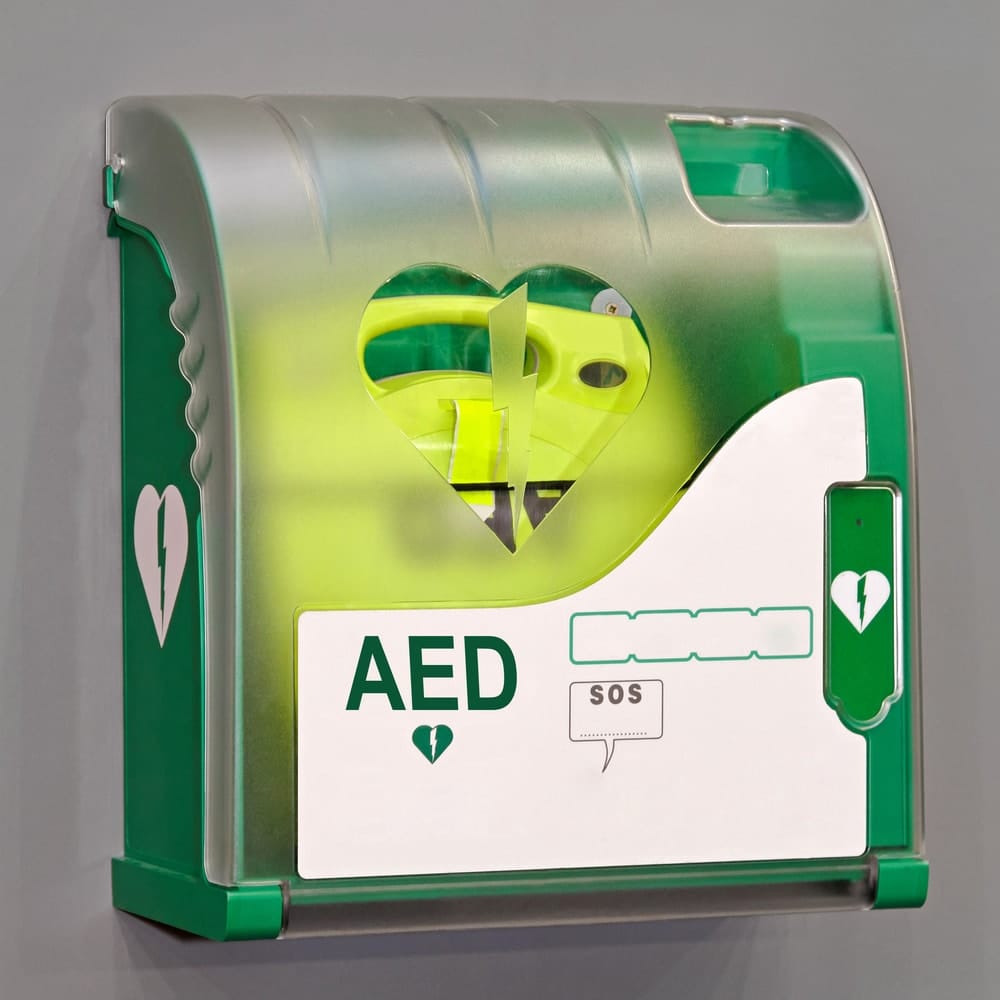
Automated external defibrillators (AEDs) are essential devices for saving lives during cardiac emergencies. These portable machines treat sudden heart failures by delivering an electric shock to restore a normal heartbeat. The simplicity of AEDs allows anyone to use them without prior training, providing critical first aid and making them indispensable in public health.
AEDs intervene during sudden cardiac arrest, a leading global cause of death. While chest compressions are vital, AEDs significantly increase survival chances by restoring the heart rhythm. Knowing how these devices function and their availability in public spaces empowers you to act confidently in emergencies.
How AEDs Work
- Assesses the heart’s rhythm and advises if a shock is needed.
- Uses electrodes to monitor the heart.
- Administers an electric shock if required.
- Provides clear guidance, making it easy for even untrained individuals to use effectively.
Designed for ease of use, AEDs provide auditory and visual instructions to guide users through attaching electrodes and delivering the shock. This guidance is crucial in high-stress situations, ensuring correct and efficient use to save lives.
Public Access to AEDs
Installing AEDs in public areas enhances emergency responsiveness during cardiac events. Common locations where these devices are found include:
- Airports
- Schools
- Shopping centers
- Other crowded places. These devices ensure that a defibrillator is always within reach during an emergency.
Designed for untrained users, many AEDs provide auditory and visual instructions, making them accessible to everyone. This user-friendly design ensures that anyone can effectively use an AED to save a life.
Public access to these life-saving devices is a crucial component of community health and safety that must be covered.
The Importance of Defibrillator Training
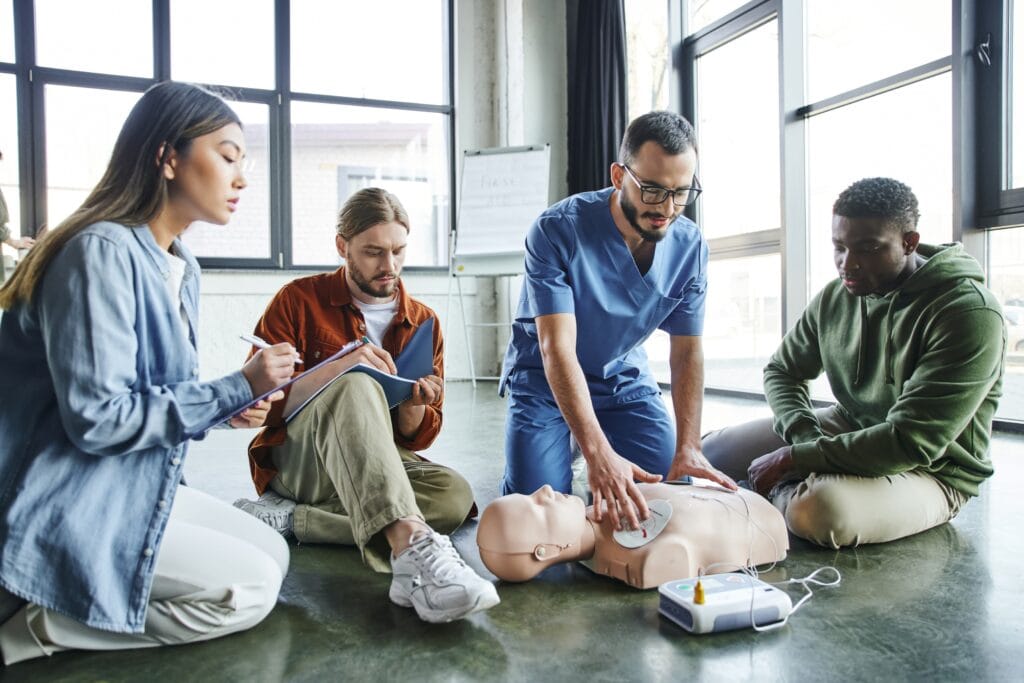
Defibrillator training significantly boosts survival rates during cardiac emergencies. Studies indicate that AED training improves the likelihood of survival. Benefits of implementing defibrillator training include:
- Improved emergency response times in workplaces
- Increased employees’ confidence
- Raised awareness through community-based AED training programs
- Equipping local residents with essential skills to respond effectively to cardiac emergencies
Regular practice and updates in training are vital for maintaining effective AED skills. Ongoing practice and refresher courses help individuals retain their skills, ensuring effective performance in emergencies.
The combination of workplace and community training initiatives fosters greater public awareness and preparedness, ultimately enhancing overall public health and safety.
Enhancing Confidence and Skills
Comprehensive AED training equips individuals to act decisively in emergencies, fostering readiness and confidence. Key components and benefits include:
- Achieving recognised certification, which boosts credibility and confidence in responding to medical emergencies.
- Understanding chest pains.
- Effective communication in emergencies is essential for ensuring effective management of such situations.
Refresher courses maintain and enhance confidence and preparedness in using AEDs during emergencies. They keep individuals updated on the latest AED techniques and protocols, preventing skill deterioration and ensuring readiness. Regularly updating skills through refresher courses significantly enhances overall emergency preparedness and peace of mind.
Legal Requirements
Legal frameworks mandate integrating AED training into standard first aid courses for businesses, ensuring organisations have the necessary skills and knowledge to handle cardiac emergencies effectively.
Complying with these regulations enables businesses to provide a safe environment for employees and customers, which is a legal requirement and a liability, and to manage risks effectively on their premises.
What is Defibrillator Training?
Defibrillator training is a specialised educational program designed to teach individuals how to effectively use an Automated External Defibrillator (AED) during cardiac emergencies. This training covers the essential knowledge and practical skills required to recognise sudden cardiac arrest, perform cardiopulmonary resuscitation (CPR), and operate an AED confidently and safely.
The course typically includes understanding the signs and symptoms of cardiac arrest, learning how to perform chest compressions and rescue breaths correctly, and gaining hands-on experience with AED equipment. Defibrillator training also emphasises the importance of timely intervention, as early defibrillation combined with CPR significantly increases the chances of survival.
Participants, often referred to as students or delegates, receive comprehensive instruction on how to assess a patient’s condition, follow the chain of survival, and use the defibrillator’s accessories and features properly. Successful completion of the course usually results in certification that is recognised across the UK and valid for a specified period, often three years.
This training is suitable for a wide range of people, including employees, first responders, community members, and anyone interested in acquiring life-saving skills. By learning these critical techniques and becoming familiar with the equipment, participants gain the confidence and ability to act decisively in emergencies, ultimately helping to save lives.
In-Person AED Training
Traditional in-person AED training includes lectures, demonstrations, and hands-on practice in a classroom setting. This format allows participants to apply their knowledge effectively in a controlled environment, enhancing learning. Immediate feedback from instructors ensures participants master the skills needed to use AEDs confidently.
Hands-on practice during in-person training develops practical skills and confidence. Participants practice using AEDs and performing CPR under experienced instructors’ guidance, which is essential for effective learning and skill retention.
Choosing the Right AED Training Provider
Choosing the right AED training provider is crucial for effective education. Investing in quality training potentially saves lives, as well-trained individuals are more likely to perform effectively in emergencies.
Qualified instructors ensure proper skill development, making selecting a reputable training provider paramount.
Accreditation and Certification
Choosing an accredited AED training provider guarantees high-quality training that meets recognised standards. Accreditation ensures training adheres to established educational standards. Feedback from past participants provides valuable insights into the provider’s effectiveness and reliability.
Checking a provider’s history of successful course completions helps gauge reliability and reputation. Accredited providers with a strong track record are more likely to deliver effective and comprehensive training, ensuring participants are well-prepared for cardiac emergencies.
Evaluating Experience and Reputation
Reviews and testimonials from previous clients provide insights into the reliability and quality of the training provider. An experienced provider signifies quality training delivery, essential for effective learning. Evaluating the provider’s reputation allows you to analyse and ensure you receive the best possible training.
Choosing a provider with a solid reputation and extensive experience ensures comprehensive and effective training. This reliability is critical for building the skills and confidence needed to use AEDs in emergencies.
Balancing cost and time considerations with training quality is essential. Investing in a comprehensive, well-structured AED training course ensures you are fully prepared to respond effectively in emergencies.
Why Choose Evolve Training?
At Evolve Training, we make AED training accessible, practical, and engaging. Our experienced instructors provide real-world guidance, ensuring you walk away with the confidence to act in an emergency. Whether you’re booking for your team, your organisation, or yourself, we tailor our AED courses to suit your needs.
What to Expect in an AED Course
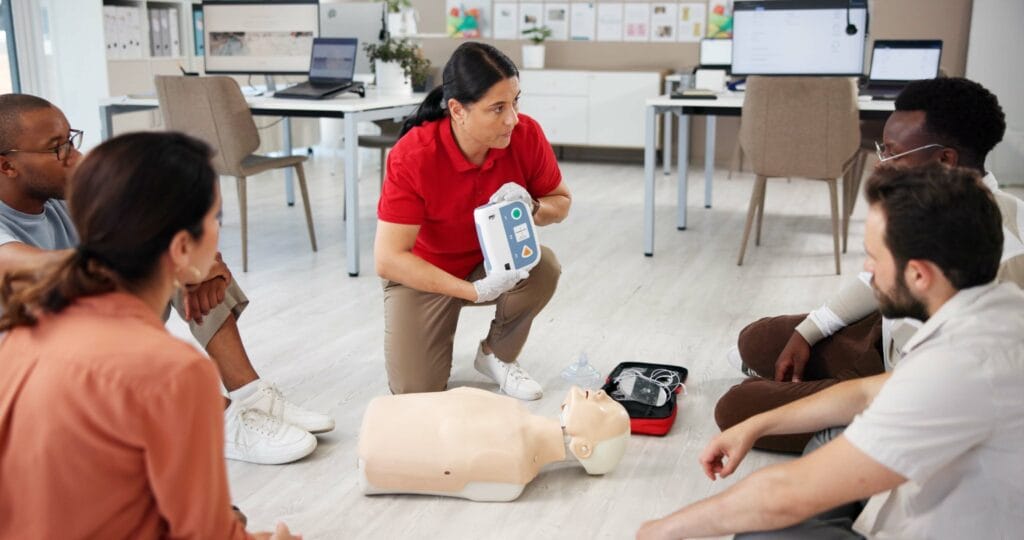
AED courses teach essential skills for using a defibrillator, covering topics from recognising cardiac arrest signs to performing CPR and using an AED effectively. In-person training includes lectures, demonstrations, and practical exercises, offering immediate feedback and practice in a controlled environment.
Blended training allows learners to complete an online portion at their own pace before attending in-person sessions. A typical defibrillator course lasts three hours.
Core Topics
Training covers:
- Recognising signs of cardiac arrest to ensure a timely and appropriate response.
- Care strategies for unresponsive individuals are essential for effective CPR.
- Familiarity with different defibrillators and their use in emergencies, including CPR training.
Recognised AED certification signifies critical lifesaving skills, enhancing confidence in using AEDs.
Participants gain essential skills for effectively using an AED in emergencies, understanding the importance of quick and decisive action. The course prepares individuals to respond effectively when every second counts.
Practical Sessions
Hands-on practice sessions:
- Enhance familiarity with defibrillator operation and emergency response
- Allow learners to develop confidence in using AEDs and performing CPR
- Provide practical sessions in a controlled environment
- Help refine skills under experienced instructors’ guidance
Hands-on practice enables learners to apply theoretical knowledge in real-life scenarios, building the confidence and competence needed to save lives. Practical sessions are vital for ensuring participants are well-prepared to handle cardiac emergencies, should they happen.
Who Should Attend AED Training

AED training benefits a broad audience, including employees and community members. People of all ages and backgrounds can attend AED training courses without prior medical training.
Participants learn vital skills to effectively use a defibrillator and perform CPR, enhancing survival chances during cardiac arrest. To further improve these chances, it is essential to learn CPR.
Workplace AED Training
Organisations enhance workplace safety by implementing AEDs and providing comprehensive training for their staff. Employers should ensure employees are familiar with the device and can use it effectively in emergencies. This proactive approach boosts overall workplace safety and ensures employees are prepared to act swiftly and confidently during cardiac emergencies.
Employers should assess the need for AED training based on workplace safety risks and employee demographics. Recognised AED certification enhances credibility and is crucial in professional settings requiring emergency response. Investing in AED training can save lives and foster a safer work environment.
Community AED Training
Installing defibrillators in public places is crucial for ensuring they are available during emergencies. Community AED training initiatives play a vital role in raising awareness and equipping local residents with the skills needed to respond effectively to cardiac emergencies. AED defibrillators can commonly be found in locations such as airports, schools, and shopping centres, making it important for community members to be trained and ready to use them.
Community-wide AED training programmes foster a culture of preparedness and can significantly enhance overall public health and safety. By providing training to a broad audience, communities can ensure that more people are capable of responding effectively in emergencies, ultimately saving more lives.
Maintaining Skills
Periodic refresher courses are recommended to bolster AED skills and ensure readiness in emergency situations. Regular practice is crucial for keeping skills sharp and maintaining a valid certification in AED use. Engaging in ongoing practice and refresher courses ensures that individuals are always prepared to respond effectively, safeguarding their own health and the health of others.
Regularly updating one’s skills through continuous training and practice is essential for maintaining confidence and competence in using AEDs. This commitment to ongoing learning and practice ensures that individuals are always ready to save lives.
Summary
AED training is vital for anyone looking to enhance how prepared they are for cardiac emergencies. From understanding how AEDs work to the importance of defibrillator training, we have covered the essential aspects of AED education. The various types of training courses available cater to different learning preferences, and choosing the right provider is crucial for effective learning. Certification and ongoing practice ensure that these life-saving skills remain sharp and reliable.
By investing time in AED training, you are making a commitment to save lives. Whether in the workplace or community, being prepared to respond to cardiac emergencies can make all the difference. Embrace the opportunity to learn these critical skills and be the hero in someone’s moment of need.