
Safe Lifting Through Inspection and Equipment Control
Ensuring Safe and Compliant Lifting Operations
Lifting operations can present serious risks if equipment is not inspected, maintained, and controlled correctly. This applies across industries, including construction, manufacturing, logistics, energy, and offshore operations. Employers have a legal duty to ensure lifting equipment remains safe and suitable for use.
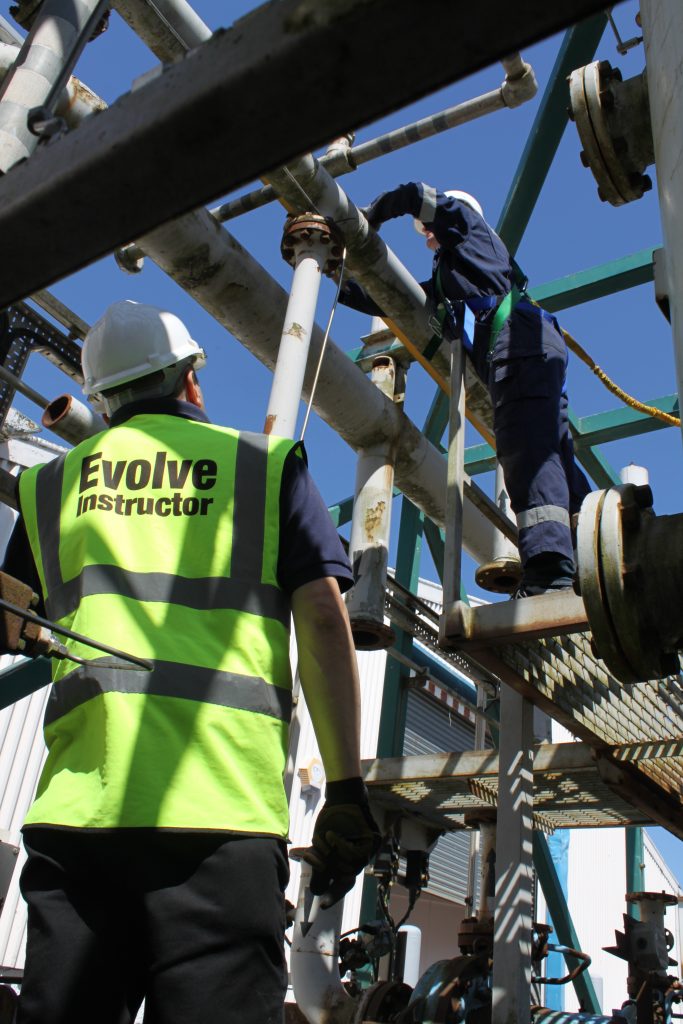
At Evolve Training, our Lifting Gear Inspection and Rigging Loft Management course gives delegates the knowledge and practical skills needed to inspect lifting accessories, identify defects, maintain records, and support compliance with current legislation.
Why Safe Lifting Inspection Control Matters
Effective control of lifting equipment helps organisations improve safety and maintain compliance. It also reduces the likelihood of equipment failure and costly operational delays.
By implementing regular inspections, organisations can:
• Reduce the risk of accidents and equipment failure
• Improve workplace safety
• Minimise downtime and disruption
• Extend the lifespan of lifting equipment
• Meet legal obligations under LOLER 1998
• Maintain accurate inspection records
• Ensure lifting accessories remain fit for service
Furthermore, regular inspections help identify wear, corrosion, distortion, and overload damage before they become serious problems.
Understanding LOLER 1998 Compliance
The Lifting Operations and Lifting Equipment Regulations (LOLER) 1998 set out clear requirements for employers and duty holders.
Under LOLER, lifting equipment must be:
• Suitable for its intended use
• Properly maintained
• Thoroughly examined at suitable intervals
• Used by trained and competent personnel
As a result, organisations must have effective inspection and maintenance systems in place. Failure to comply can lead to safety incidents, enforcement action, operational disruption, and financial penalties.
Common Defects Found During Inspections
During the course, delegates learn how to identify common defects in lifting accessories.
These include:
• Excessive wear
• Corrosion
• Cracks and fractures
• Distortion and deformation
• Damaged fittings
• Broken stitching on textile slings
• Missing or illegible identification markings
• Evidence of overloading
By recognising these defects early, personnel can remove unsafe equipment from service before an incident occurs.
The Role of Rigging Loft Management
A well-managed rigging loft is essential for maintaining high safety standards and equipment control.
Our training covers:
• Equipment registers and asset tracking
• Inspection schedules
• Quarantine procedures
• Storage and preservation methods
• Certification management
• Traceability requirements
• Documentation and record keeping
• Equipment issue and return procedures
Consequently, these systems help organisations maintain compliance and demonstrate effective control during audits and inspections.
Why Competence Is Essential
Safe lifting operations depend on competent personnel. Individuals responsible for inspections must be able to assess equipment accurately and take appropriate action when defects are found.
Delegates will learn how to:
• Carry out visual inspections
• Identify defects and damage
• Apply discard criteria
• Maintain accurate records
• Implement quarantine procedures
• Support safe lifting operations
In addition, the course provides practical guidance and industry best practice to help delegates perform these responsibilities with confidence.
Who Should Attend?
This course is suitable for:
• Riggers
• Banksmen and Slingers
• Lifting Supervisors
• Warehouse Personnel
• Maintenance Technicians
• Offshore Personnel
• Equipment Controllers
• Health and Safety Professionals
• Anyone responsible for lifting accessories or rigging loft management
Book Your Training Today
Evolve Training delivers professional lifting equipment training designed to improve safety, support compliance, and enhance operational performance.
To find out more about course availability or discuss your training requirements, contact our team today.