

Understanding Manual Handling Operations Regulations
- Key Takeaways
- Understanding the Manual Handling Operations Regulations
- Key Provisions of Manual Handling
- The Importance of Manual Handling in Workplace Safety
- Employer Responsibilities
- Employee Responsibilities
- Benefits of Compliance
- Challenges in Implementing
- Manual Handling and Self-Employed Individuals
- Online Manual Handling Training
- Summary
- Frequently Asked Questions
The Manual Handling Operations Regulations are a set of guidelines established in 1992 aimed at reducing risks associated with manual handling tasks in the workplace. What is Manual Handling? It helps ensure workforce safety by outlining best practices for lifting, carrying, pushing, and pulling loads. This article will explore the key provisions of Manual Handling, its importance in workplace safety, and employer and employee responsibilities.
Key Takeaways
- The Manual Handling Operations Regulations of 1992 aim to enhance workplace safety by reducing injury risks associated with manual handling tasks, obligating employers to assess and manage such risks.
- Employers are mandated to conduct thorough risk assessments and provide training to mitigate risks associated with manual handling, ensuring safer work environments and compliance with legal obligations.
- Compliance with Manual Handling not only decreases workplace injuries and enhances employee morale but also promotes productivity and organisational reputation by attracting skilled workers and reducing costs related to workplace incidents.
Understanding the Manual Handling Operations Regulations
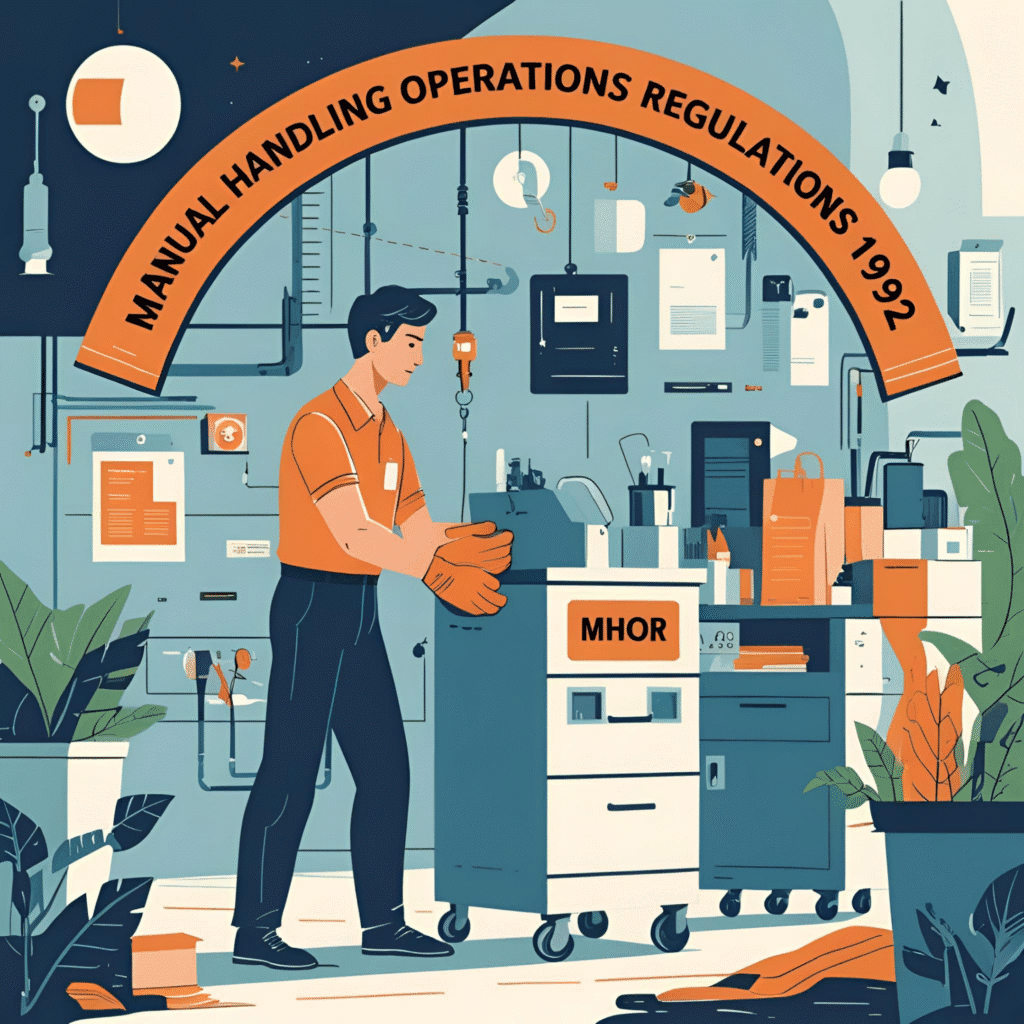
The Manual Handling Operations Regulations 1992 were established to ensure the workforce’s well-being and mitigate injury risks associated with manual handling tasks. These work regulations outline best practices for managing risks when moving loads and materials in the workplace, aiming to protect workers from potential injuries caused by bodily force. Manual handling activities are a significant concern, as they account for a third of accidents in British workplaces, highlighting the importance of these regulations.
One of the primary purposes of these regulations is to reduce risks posed by manual handling activities, promoting a safer working environment. To achieve this, the regulations emphasise the identification, assessment, and management of manual handling risks, encouraging employers to implement safe manual handling practices. The regulations help employers spot hazardous tasks and create a safer manual handling environment.
The regulations encompass a range of manual handling tasks. These include activities such as carrying, lifting, pushing, pulling, or moving loads that may pose injury risks. A load, as defined by these regulations, includes anything that is lifted, lowered, pushed, pulled, carried, or moved. Employers must comply with these regulations if hazardous manual handling of loads is identified, ensuring that appropriate measures are taken to protect employees.
Key Provisions of Manual Handling
The Manual Handling Operations Regulations 1992 have undergone several updates to address evolving workplace safety needs. One significant revision was released in 2004, updating the guidance for safety practices. These updates ensure that the manual handling regulations apply and remain relevant and effective in promoting workplace safety.
Assessing risks to employees’ health and safety is a key responsibility for employers under these regulations and is a legal requirement. The term “reasonably practicable” in this context refers to evaluating potential risks relative to the cost of control measures and preventive measures, requiring a sufficient
Additionally, the amendment addressed the prevention of upper limb disorders, highlighting the need for relevant employee training.
The Importance of Manual Handling in Workplace Safety
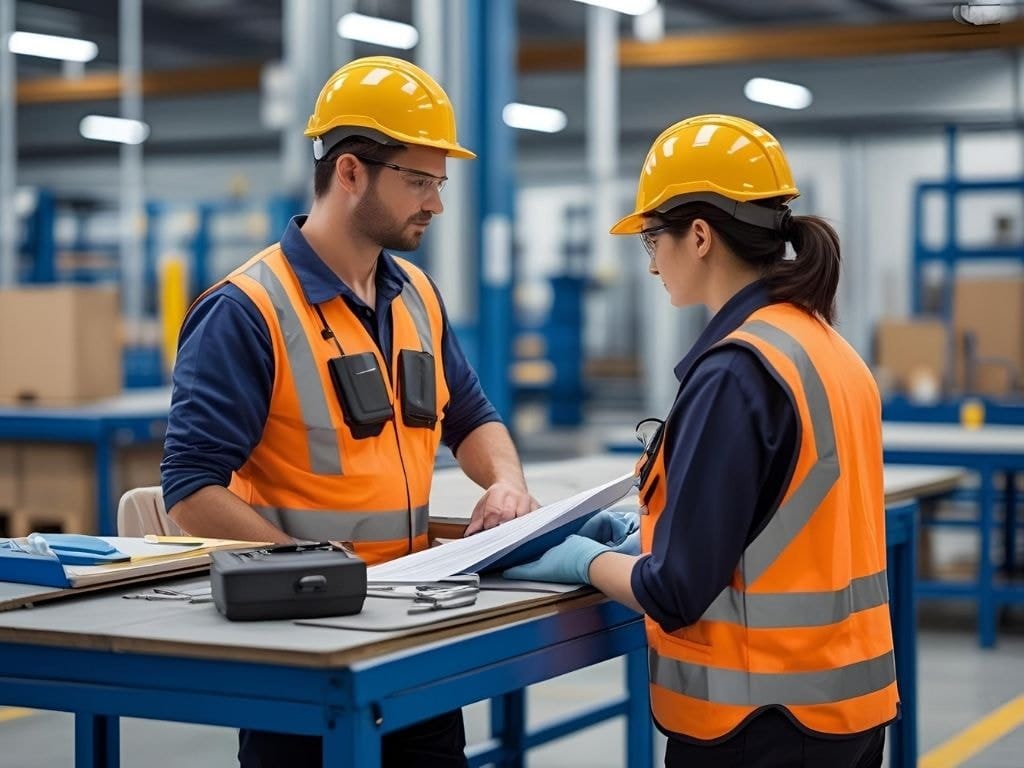
Adhering to the Manual Handling Operations Regulations significantly reduces the risk of injuries, particularly musculoskeletal disorders, by promoting safe manual handling practices. These disorders, which include injuries to the back, muscles, and joints, can cause significant pain and discomfort, underscoring the need for effective risk management. An injury-free workplace boosts overall productivity as employees can focus on their tasks without the fear of injuries. Moreover, employees are more likely to feel valued and motivated in a workplace that prioritises their safety and well-being.
Effective application of these regulations not only enhances safety but also boosts overall employee morale and productivity. Despite the mandatory manual handling training, work-related musculoskeletal disorders persist in healthcare, indicating challenges in effective risk management. This underscores the importance of continuous improvement and adherence to safety protocols.
Employers should actively prevent employees from engaging in manual handling tasks whenever possible. Fostering a culture of safety and prioritising health helps businesses create work environments where employees feel secure and supported. This not only reduces workplace risks but also enhances overall safety and well-being.
Employer Responsibilities
Following the Manual Handling Operations Regulations is a legal obligation for employers to mitigate injury risks from manual handling tasks. This involves managing risk assessments, reducing injury risks, and avoiding hazardous manual handling to ensure a safe workplace. The responsibilities of employers under these regulations encompass identifying, assessing, and managing risks related to manual handling activities.
Providing training on identified risks from manual handling tasks allows employers to protect their workforce and prevent injuries. Compliance with these regulations not only helps businesses avoid legal repercussions and fines but also cuts costs related to medical care and compensation claims due to workplace injuries.
Maintaining safety compliance enhances an organisation’s reputation, attracting skilled workers and boosting employee retention, which a safety executive often oversees.
Conducting Risk Assessments
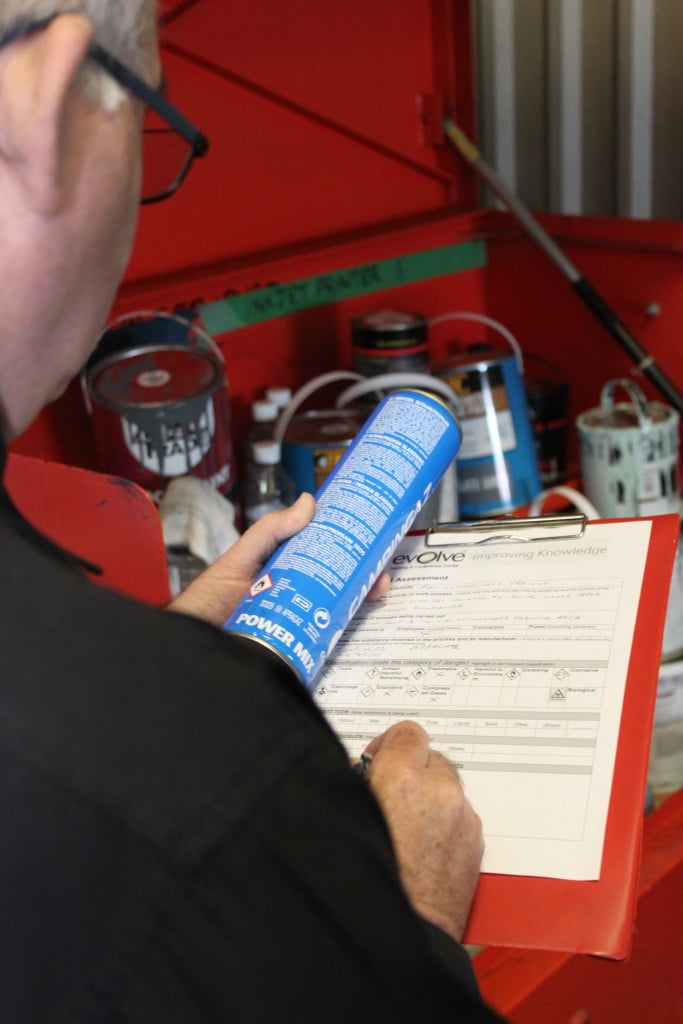
The regulations compel employers to perform thorough risk assessments for manual handling tasks that could lead to the risk of injury. These risk assessments need to encompass all types of manual handling that employees may encounter. Employers are required to identify hazardous tasks and implement controls to prevent injuries.
Manual handling risk assessments should consider the manual handling task, load, environment, individual capabilities, and risk factors. Factors such as individual capabilities and environmental conditions must be evaluated in the context of manual handling tasks. Speaking to employees about their observations and experiences helps employers identify workplace hazards. Additionally, a thorough risk assessment can enhance safety measures.
Regular assessments and adherence to the Manual Handling Operations Regulations help identify hazardous manual handling operations before injuries occur. Without structured processes for ongoing risk evaluation, unsafe manual handling practices may persist. Self-employed individuals must also assess risks in their manual handling tasks and ensure proper manual handling operations.
Implementing Control Measures
The regulations require employers to eliminate hazardous manual handling tasks whenever possible. The legislation outlines a hierarchy for managing manual handling risks, beginning with avoidance. If mechanical assistance for manual handling is not possible, employers must demonstrate exploration of changes.
Employers must implement measures to minimise risks from manual handling tasks. This involves evaluating changes to work processes to ensure their effectiveness in reducing manual handling risks. The final step after assessing risks in manual handling tasks is to implement control measures to reduce them.
Recommended methods to reduce risks include using automation, such as conveyor belts and lift trucks, as well as proper equipment.
Providing Manual Handling Training
Manual handling training is vital for compliance and minimising injury risks for employees. Limited knowledge among employees regarding safe manual handling techniques is a common barrier to compliance with the regulations. Many businesses face difficulties in providing adequate training that addresses specific manual handling tasks relevant to their industry.
Employee training must cover safe manual handling techniques to reduce injury risks, including manual handling injuries. This includes instruction on good handling techniques, the use of handling aids, and the importance of safe manual handling practices. Training should be comprehensive and tailored to the specific manual handling activities employees encounter.
Employee Responsibilities
Employees must follow safe practices and report hazards to ensure their safety. Employees need to engage in training and education provided by their employer to perform manual handling tasks safely. This ensures that they are well-equipped with the knowledge necessary to handle manual tasks safely.
When performing manual handling tasks, employees must follow the safe practices outlined in their training. They are also responsible for informing employers of any hazardous manual handling situations they encounter.
Reporting manual handling hazards promptly to supervisors or relevant authorities is crucial for maintaining workplace safety.
Benefits of Compliance
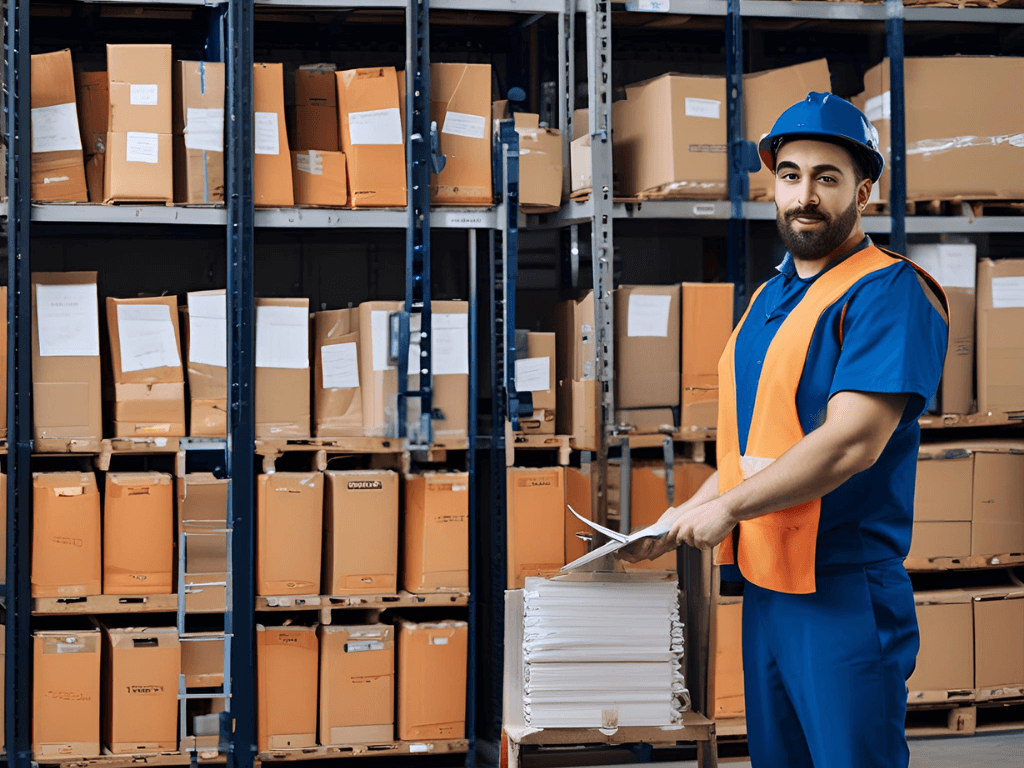
Implementing the Manual Handling Operations Regulations can lead to a significant reduction in workplace injuries, particularly those related to manual handling. Reducing the frequency of musculoskeletal disorders, these regulations help maintain a healthier workforce. Improved health directly translates to higher job satisfaction and morale among employees.
Online courses for manual handling can significantly save costs by reducing workplace incidents and lowering expenses related to workers’ compensation. Offering online manual handling training demonstrates an employer’s commitment to safety regulations compliance.
Compliance with the Manual Handling Operations Regulations reduces injuries caused, leading to fewer lost workdays and enhancing workplace productivity.
Challenges in Implementing
Effectively identifying and assessing manual handling risks is often challenging for employers, which can hinder compliance. Ensuring the effectiveness of control measures requires regular monitoring, health surveillance, employee feedback, and task reassessment.
Manual Handling and Self-Employed Individuals
The Manual Handling Operations Regulations 1992 apply to self-employed individuals. Self-employed individuals must ensure their safety and manage risks during manual handling activities. This involves conducting risk assessments and implementing appropriate control measures to mitigate hazards.
Employers may be responsible for the health and safety of self-employed individuals working under their direction, even if classified as self-employed for tax and National Insurance purposes. Both parties must understand their employer’s responsibilities and are legally obliged to provide employees with a safe working environment, as outlined by the Health and Safety Executive.
Online Manual Handling Training
A flexible training format, like online courses, allows employees to complete training at their convenience, increasing participation rates. Online manual handling training can be tailored to specific tasks, ensuring employees receive relevant and practical instructions.
This training mode enhances employee awareness of workplace hazards and safety procedures and demonstrates an employer’s commitment to safety regulations compliance. Providing accessible and comprehensive safety training helps employers foster a culture of safety and ensure employees are well-prepared to handle manual tasks safely.
Summary
In conclusion, the Manual Handling Operations Regulations play a crucial role in promoting workplace safety and reducing injury risks. By understanding and adhering to these regulations, employers can create a safer work environment, protect their workforce, and enhance overall productivity. Employees, in turn, can benefit from comprehensive training and safe handling practices, ensuring their safety and well-being.
Compliance with the Manual Handling Operations Regulations not only helps prevent injuries but also improves job satisfaction, morale, and productivity. By fostering a culture of safety and prioritising health, businesses can thrive in a safe and supportive environment. Let us all commit to understanding and implementing manual handling regulations, creating safer workplaces for everyone.