

Understanding The LOLER Regulations
LOLER stands for Lifting Operations and Lifting Equipment Regulations 1998. In health and safety, these regulations govern the safe use of lifting equipment in the workplace. This article will explain the key principles of LOLER, including what LOLER stands for in health and safety, its requirements, and how it helps ensure workplace safety.
Key Takeaways
- LOLER (Lifting Operations and Lifting Equipment Regulations 1998) establishes crucial safety standards for lifting operations and equipment, aiming to minimise workplace risks.
- Key responsibilities under LOLER include planning and supervision of lifting tasks, regular inspections and thorough examinations of equipment, and ensuring comprehensive training for all personnel involved.
- Non-compliance with LOLER can lead to severe legal repercussions, operational disruptions, and increased
What Does LOLER Stand For?
LOLER is an acronym for Lifting Operations and Lifting Equipment Regulations 1998. It refers to the regulations governing lifting operations and equipment. These regulations were introduced to address the safety concerns associated with lifting operations in the workplace. Since their inception in 1998 in the United Kingdom, LOLER has been a cornerstone of workplace safety, ensuring that lifting equipment is used and maintained in a manner that minimises risk to employees.
Understanding the significance of LOLER starts with knowing its meaning. These regulations create a framework for the safe use of lifting equipment, promoting high standards of safety and efficiency. Compliance helps employers and operators prevent accidents and maintain a secure working environment.
Overview of LOLER Regulations

LOLER, or the Lifting Operations and Lifting Equipment Regulations 1998, was established to ensure safety during lifting operations and the use of lifting equipment in workplaces across the UK. The primary objective of these regulations is to ensure that all lifting equipment is safe, properly maintained, and suitable for its intended use. By doing so, LOLER aims to minimise the risks associated with lifting operations and equipment. Additionally, any lifting equipment used must be marked to indicate its safe working load (SWL), ensuring that operators are aware of the equipment’s capacity and limitations.
The importance of LOLER regulations cannot be overstated. They play a crucial role in preventing accidents, maintaining operational continuity, and ensuring legal compliance. These regulations impose responsibilities on individuals and organisations that own or control lifting equipment, including employers, equipment owners, and operators. It is their duty to apply LOLER regulations to guarantee the safety and reliability of lifting equipment.
Under LOLER, responsibilities are extensive, covering everything from selecting appropriate equipment to its regular maintenance and inspection. Compliance with these regulations ensures that lifting operations are conducted safely and efficiently, protecting employees and minimising accident risks.
Key Requirements of LOLER
LOLER requirements ensure safe and efficient lifting operations. These include proper planning and supervision, regular inspections, thorough examinations, and comprehensive training for all employees involved in lifting operations.
Each of these aspects plays a crucial role in maintaining the safety and reliability of lifting equipment.
Planning and Supervision
LOLER mandates that lifting operations be planned and supervised by qualified personnel. This involves risk assessment, equipment identification, and responsibility assignment to ensure safety and efficiency. Proper planning and supervision prevent accidents and ensure operational efficiency when an organisation undertakes lifting operations.
Risk assessment is a critical component of planning. Identifying and evaluating potential hazards allows organisations to select the appropriate equipment and methods for lifting operations, mitigating risks and ensuring safety.
Supervision is equally important. Qualified personnel must oversee the lifting operation to ensure that all safety protocols are followed. This involves monitoring the operation, ensuring correct equipment use, and intervening as necessary. The aim is to create a safe and efficient lifting environment, protecting both workers and equipment.
Regular Inspections and Thorough Examinations
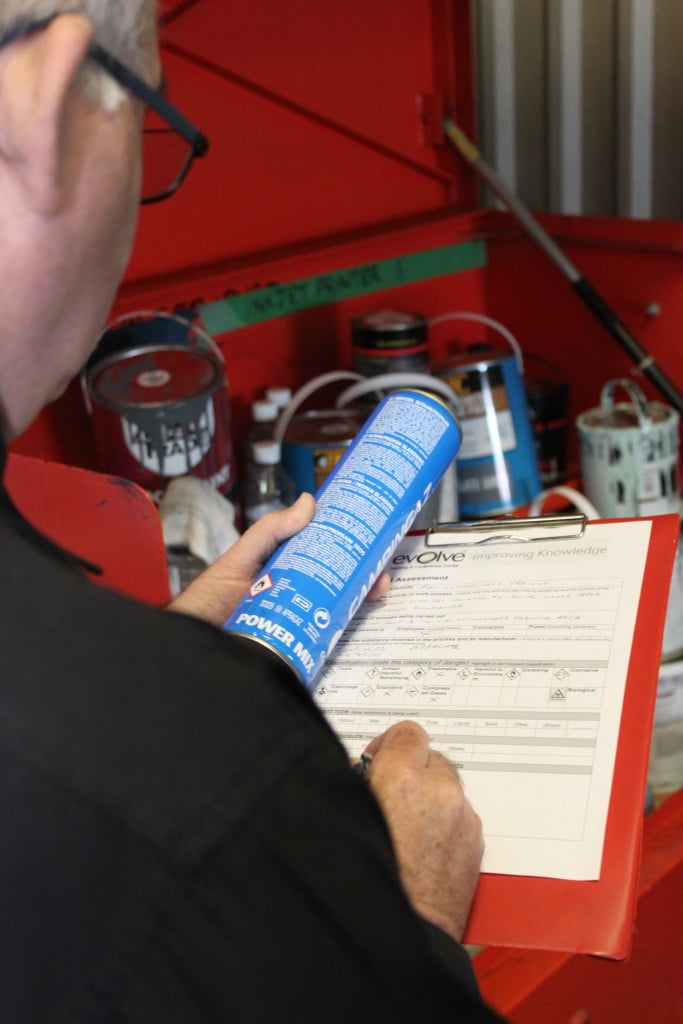
Regular inspections and thorough examinations are key to LOLER compliance. Lifting equipment must be inspected regularly, at least annually, and more frequently in harsh conditions, depending on its type and use.
Thorough examinations and statutory periodic thorough examination are comprehensive assessments conducted under specific circumstances, such as before the first use of equipment or after exposure to damaging conditions. These thorough examinations must be carried out by a qualified individual to ensure the safety and reliability of the equipment.
Employers must ensure regular inspections and thorough examinations of lifting equipment and work equipment, maintain records, and address any defects by the work equipment regulations. Compliance prevents equipment failure and ensures safe lifting operations.
Training and Competence
Training and competence are critical under LOLER. Employees involved in lifting operations must receive comprehensive training on equipment use and safety protocols. This training should cover inspecting equipment, securing loads, and responding to emergencies.
Regular refresher training keeps staff updated on the latest safety regulations and practices. Additional training or supervision should be provided if employees need further instruction in lifting operations.
A ‘competent person’ has the practical and theoretical knowledge to identify potential defects in lifting equipment. Ensuring all personnel are properly trained and competent is crucial for workplace safety and LOLER compliance.
Definition of a Competent Person
LOLER defines a competent person as someone with the knowledge, experience, and impartiality to assess lifting equipment safety, responsible for conducting inspections and assessments.
To be considered a competent person, one must possess the required knowledge, experience, and training to effectively assess equipment safety. Membership in recognised organisations like SAFed and LEEA is often essential, as it confirms the individual’s professional development and expertise.
The competent person must be independent and not involved in routine maintenance to maintain objectivity. This impartiality ensures the integrity of inspections and proper addressing of identified defects.
Responsibilities Under LOLER
LOLER places significant responsibilities on individuals and organisations that own or control lifting equipment. Employers must use qualified personnel for lifting operations and maintain equipment safely. Self-employed individuals must also comply with LOLER standards. Adequate training and supervision ensure safe and effective equipment use.
Documentation is critical for LOLER compliance. Employers must keep records of thorough examinations, inspections, and defects. These should be accessible for enforcement inspections and demonstrate compliance. A detailed report should follow every inspection, documenting findings and defects.
Compliance Strategies for LOLER
Compliance with LOLER requires specific strategies: following regulations, conducting regular inspections, and ensuring proper staff training. Detailed records of examinations, inspections, and maintenance activities are crucial to demonstrate compliance.
Inspection and testing services from companies like Plant and Safety Limited help ensure the provision of lifting equipment safety, health and safety compliance, as well as adherence to the Health and Safety Executive guidelines. These services can identify potential issues before they become significant problems, ensuring lifting equipment inspection, safety, and reliability.
Implementing these compliance strategies ensures safe and efficient lifting operations, protecting employees and minimising accident risks.
Common LOLER Violations and Their Consequences
Common violations of LOLER can have severe consequences for organisations. Legal repercussions for failing to comply with LOLER can include imprisonment for duty holders, ranging from six months to two years. Non-compliance can also result in various lawsuits, including personal injury claims and breach of contract lawsuits.
Non-compliant lifting equipment can cause accidents, leading to serious injuries or fatalities. Such incidents may result in significant fines, operational disturbances, increased insurance costs, and damage to a company’s reputation.
Following LOLER regulations avoids these consequences and ensures safe, efficient lifting operations.
Summary
Understanding and complying with LOLER regulations is crucial for ensuring the safety and efficiency of lifting operations. From planning and supervision to regular inspections and comprehensive training, each aspect of LOLER is designed to minimise risks and protect workers.
By following the guidelines and requirements outlined in this article, organisations can maintain a safe working environment, prevent accidents, and ensure compliance with legal standards. The importance of LOLER cannot be overstated, and adherence to these regulations is essential for any organisation involved in lifting operations.